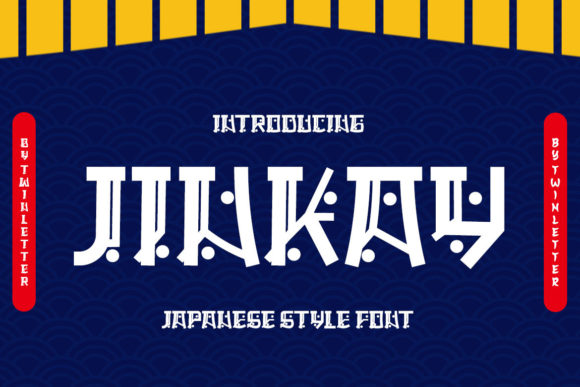
Jinkay Faux Japanese: A Display Font for Creative Web Design
As a web designer, I'm always on the lookout for unique and visually appealing fonts that can elevate my projects. Recently, I had the opportunity to test Jinkay Faux Japanese, a display typeface inspired by traditional Japanese calligraphy. This font has a distinctive charm that can add a touch of elegance and creativity to any digital design.
Visual Personality and Style
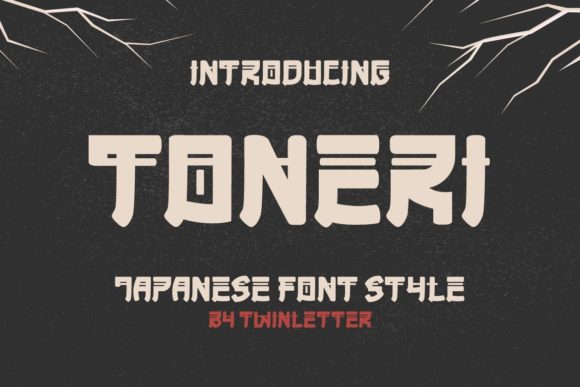
Jinkay Faux Japanese is a premium font with a strong visual personality. Its flowing, brush-like strokes and elegant curves give it a sense of movement and grace. The style is reminiscent of authentic Japanese calligraphy, making it perfect for projects that require a touch of cultural flair or artistic sophistication.
Testing in Real Web Layouts
I decided to test Jinkay Foin a hero section of a boutique online store. The first thing I noticed was how well it commanded attention. The font's bold and dynamic presence made the hero text stand out, creating a strong focal point for the page. I also previewed it on mobile devices, and it scaled beautifully, maintaining its legibility and impact even on smaller screens.
Hero Titles and Section Headings
For a creative portfolio site, I used Jinkay Faux Japanese as the main heading for the homepage. The result was stunning. The font's decorative nature added a layer of creativity and professionalism, making the portfolio feel more curated and high-end. In another project, a coaching website, I used it for section headings, which helped to break up the content and guide the user's eye through the page.
Readability and Visual Hierarchy
While Jinkay Faux Japanese is a beautiful font, it's important to use it judiciously. For long body copy or small navigation text, it might not be the best choice due to its decorative nature. Instead, I recommend using it for hero titles, section headings, and short, impactful phrases. Pairing it with a clean sans serif font for body text, such as Roboto or Open Sans, can create a balanced and readable layout.
Responsive Design and Mobile Screens
One of the key considerations in web design is responsiveness. I tested Jinkay Faux Japanese on various screen sizes, and it performed well across the board. On mobile, the font retained its elegance and readability, which is crucial for a seamless user experience. However, for very small buttons or form labels, it might be better to use a simpler, more legible font.
Brand Consistency and User Engagement
Using Jinkay Faux Japanese consistently across a website can help build a strong brand identity. For a boutique online store, I used the font for product category headings and promotional banners. This consistency helped to create a cohesive and memorable brand experience. The font's unique style also added an emotional appeal, making the shopping experience more engaging and enjoyable for the user.
Accessibility and Multilingual Support
When designing for the web, accessibility is a top priority. While Jinkay Faux Japanese is a decorative font, it still maintains good readability when used appropriately. For multilingual sites, it's essential to check if the font supports the necessary character sets. Jinkay Faux Japanese includes a range of characters, but it's always a good idea to verify this before using it in a multilingual context.
Font Pairing and Design Assets
Pairing Jinkay Faux Japanese with other fonts can enhance its versatility. For a more editorial and sophisticated look, I paired it with a simple serif font like Merriweather. This combination worked well for a blog redesign, where the serif font provided a classic, readable body text, while Jinkay Faux Japanese added a touch of elegance to the headlines and section titles.
Commercial Use and Licensing
Before using Jinkay Faux Japanese in client projects or commercial websites, it's important to check the licensing details. Ensure that the font is licensed for the intended use, whether it's for a single project, a client's website, or a digital product. Additionally, confirm that the font includes all the necessary file formats, such as webfont versions, to ensure smooth integration into your web designs.
In conclusion, Jinkay Faux Japanese is a versatile and visually appealing display font that can add a unique and elegant touch to your web designs. Whether you're working on a creative portfolio, a boutique online store, or a coaching website, this font can help you create a memorable and engaging user experience. Just remember to use it thoughtfully and pair it with complementary fonts to achieve the best results.