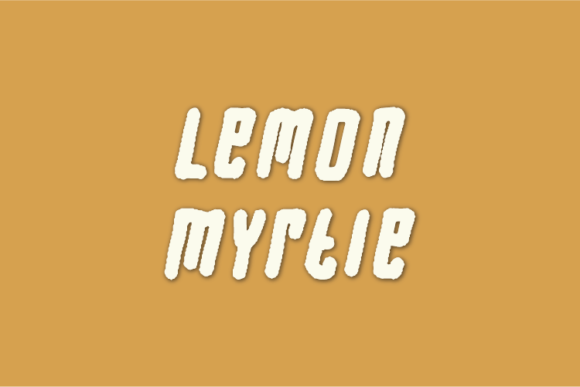
Lemon Myrtle: A Unique Display Font for Creative Branding
As I sat down to start a new branding project for a local café, I knew I needed something special. The café, with its cozy, inviting atmosphere and artisanal touch, deserved a font that could capture its essence. Enter Lemon Myrtle, a natural display font that caught my eye with its unique and unaltered character indentation.
Discovering Lemon Myrtle
When I first opened the font file, I was immediately struck by its clean, organic feel. Each character in Lemon Myrtle is crafted without altering a single node, giving it a distinctive, hand-drawn quality. This typeface is not just a font; it's a work of art that can add a personal, almost bespoke touch to any design.
Initial Testing and Logo Design
The first step was to test Lemon Myrtle in a logo draft. I sketched a few concepts, and as I placed the font on the screen, I noticed how it brought a sense of warmth and friendliness. The café’s name, written in Lemon Myrtle, felt like a warm welcome, perfectly aligning with the café’s brand personality.
Brand Identity and Consistency
With the logo finalized, I moved on to creating a cohesive brand identity. Lemon Myrtle, with its natural and slightly whimsical style, worked beautifully across various elements. From business cards to menu designs, the font maintained a consistent and recognizable look. The readability was excellent, even at smaller sizes, making it a versatile choice for both print and digital materials.
Designing for Packaging and Labels
One of the most exciting parts of this project was designing the packaging. I used Lemon Myrtle for the café’s coffee bags and pastry boxes. The font’s unique character added a touch of charm, making the products stand out on the shelves. The visual hierarchy was clear, and the overall aesthetic was both professional and inviting.
Social Media and Digital Presence
For the café’s social media presence, Lemon Myrtle proved to be a perfect fit. I designed Instagram posts and stories, and the font’s playful yet elegant style made each post engaging. The café’s followers responded positively, and the content felt more personal and connected to the brand’s values.
Website Headers and Editorial Design
The café’s website also benefited from Lemon Myrtle. I used it for the homepage hero section, where it created a strong, welcoming impression. For the editorial content, such as blog posts and newsletters, the font added a touch of creativity and professionalism, making the articles more enjoyable to read.
Font Pairing and Practical Advice
To ensure a balanced and harmonious design, I paired Lemon Myrtle with a clean sans serif font for body text. This combination allowed the display font to shine while maintaining readability. When testing the font, I recommend experimenting with different weights and styles to see how they fit into your overall design. Additionally, check for multilingual support and commercial licensing to ensure the font meets all your project needs.
Final Thoughts on Lemon Myrtle
In conclusion, Lemon Myrtle is a delightful and versatile display font that can bring a unique and personal touch to any branding project. Its natural, unaltered character makes it a standout choice for logos, packaging, and digital graphics. Whether you’re working on a small café, a boutique, or a creative studio, Lemon Myrtle is a font that can help you create a memorable and engaging brand identity.